Case study / CTI-001 · Financial Cybercrime Intelligence
Money Mule Identification System
The problem
Investment scams, betting platforms and lottery frauds across India and Southeast Asia move victim money through mule accounts. The first hop is the one that matters: once funds leave it, tracing and recovery collapse. Catching those accounts meant finding them in the window between creation and first use.
Why it mattered
Banks and government agencies could act on a mule account, but only if someone handed them one they could act on. The bottleneck was never enforcement. It was identification at a rate and a confidence level that justified acting.
What I built
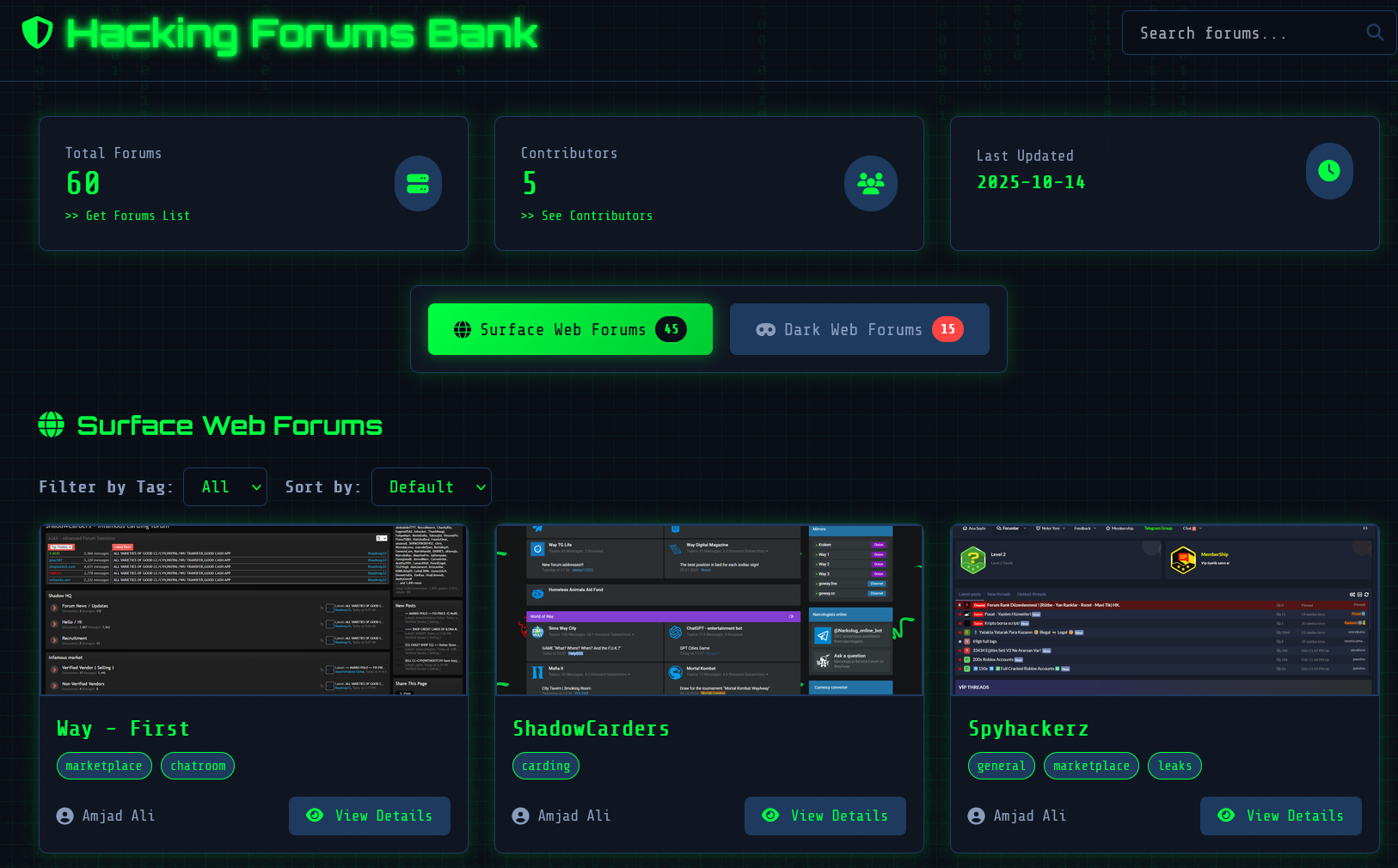
A collection and correlation system spanning 20+ underground forums, marketplaces and Telegram channels, combined with direct threat actor engagement under OPSEC procedure to map infrastructure passive collection could not reach. Output was a dataset of actor identifiers referable to national fraud-response channels.
UPI IDs mapped to 598 fraud websites, alongside 224,978 VPA-handle records and 212,226 phone records across 107 countries. Structured for referral to national fraud-response channels.
Detail
- What I investigated
- OSINT, HUMINT and social engineering across crypto scams, lottery and gambling schemes and money mule networks, including threat actor engagement under OPSEC procedure to verify leaked data and establish modus operandi.
- Collection scope
- 20+ underground forums, dark web marketplaces and Telegram channels, tracking ransomware groups and scam operations and mapping adversary TTPs to MITRE ATT&CK.
- What the system produced
- 156,413 UPI IDs mapped to 598 source websites across 36 identified site clusters; 224,978 VPA-handle records across 103 handles; 212,226 phone records across 107 countries; 2,209 IFSC-derived bank records resolved to bank, city and state.
- Outcome
- Established that the payment gateway, not the scam site, owns the rotating UPI IDs, harvested from part-time-job victims at a 7% commission. Recovered gateway API documentation, a test merchant credential and a live order-response schema exposing payee UPI, bank account, IFSC and recipient name.
- Who it went to
- I4C and NPCI, plus law enforcement and regulatory investigations into financial fraud, terrorist funding and extremist networks.